At a glance
- Use variety as a gentle guide, not a strict rule.
- Convenient foods can still support nourishment.
- Personal health needs deserve personalized guidance.
A balanced plate is not a rigid formula. It is a helpful starting point for bringing variety, satisfaction and nourishment to everyday meals.
Start with variety, not rules
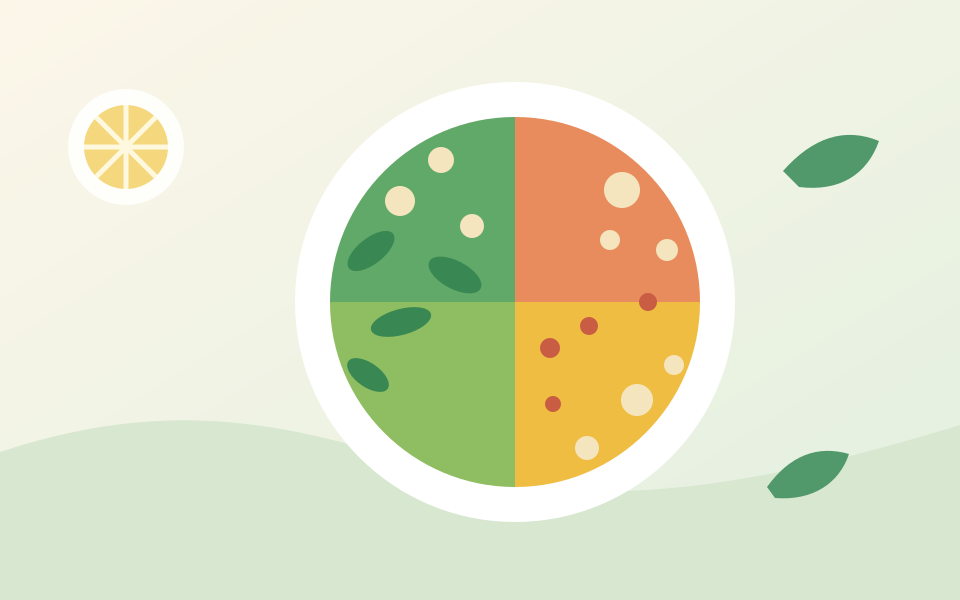
Meals can include a mix of vegetables or fruit, protein-rich foods, satisfying carbohydrates and sources of healthy fats. The mix will naturally change with your appetite, culture, budget and what is available.
Instead of aiming for a perfect plate, look for a little variety across the day. Frozen, canned and fresh foods can all have a place in nourishing meals.
Make the idea fit your day
When time is tight, simple combinations can help: a grain bowl with beans and greens, eggs with toast and fruit, or soup alongside a sandwich. Convenience is not the opposite of care.
Notice what helps you feel comfortably satisfied and energized. Personal needs differ, so use general guidance as a starting point rather than a prescription.
Keep it kind and flexible
Food choices are shaped by much more than willpower. Preferences, routines, health needs, access and enjoyment all matter. A supportive approach makes room for those realities.
If you manage a medical condition or have specific nutrition concerns, a qualified clinician or registered dietitian can help tailor advice to you.
A gentle reminder: This article offers general educational information, not personal medical advice. Talk with a qualified healthcare professional about your individual needs.